
Is Beef Tallow Healthy? Separating Fact From Hype

Beef tallow has become one of the most polarizing ingredients in modern cooking. To some, it is a return to real, minimally processed food after decades of seed oils. To others, it is a saturated fat bomb that public health experts spent the last 40 years warning us away from. Both camps have a point, which is exactly why the question "is beef tallow healthy" does not have a simple yes or no answer.
This guide looks at what the research and the experts actually say, how tallow compares to the oils and fats already in your kitchen, and how to use it in a way that fits a balanced diet rather than working against it.
Understanding Beef Tallow: Composition and Use
What is Beef Tallow?
Beef tallow is rendered fat from cattle, most often made from suet, the firm fat surrounding the kidneys and loins. Rendering involves melting the fat slowly and straining it to remove any solids, leaving a smooth, shelf-stable fat that is solid at room temperature. It has been used in cooking for centuries, long before vegetable oils became widely available in the 20th century.
Common Uses of Beef Tallow
In the kitchen, tallow is used for frying, roasting, searing, and even baking. Outside the kitchen, it shows up in soap, candles, and a growing number of skincare products, thanks to a fatty acid profile that some believe mimics the skin's natural oils.
Health Benefits and Concerns of Beef Tallow

Potential Health Benefits
Tallow is a whole, minimally processed fat, which appeals to people trying to cut back on ultra-processed seed oils. It contains small amounts of fat-soluble vitamins, particularly when sourced from grass-fed cattle, and its stability under heat means it does not break down into potentially harmful compounds as quickly as some polyunsaturated oils can at high temperatures. It has also found a natural fit in ketogenic, paleo, and carnivore-style diets, where higher saturated fat intake is treated differently than in a standard low-fat eating pattern.
Health Risks and Concerns
The primary concern is saturated fat. A single tablespoon of tallow contains about 6.4 grams of saturated fat, roughly a third of the American Heart Association's recommended daily limit. Diets high in saturated fat have been consistently linked to higher LDL cholesterol, which is a known risk factor for heart disease. Most major health organizations, including the American Heart Association, continue to recommend replacing saturated fats with unsaturated ones wherever practical, which puts tallow squarely in the "use in moderation" category rather than an everyday staple for most people.
Beef Tallow vs. Other Fats: A Comparative Analysis
Comparison with Vegetable Oils
| Fat (1 tbsp) | Saturated Fat | Monounsaturated Fat | Polyunsaturated Fat |
|---|---|---|---|
| Beef tallow | 6.4g | 5.4g | 0.5g |
| Olive oil | 1.9g | 9.9g | 1.4g |
| Canola oil | 1.0g | 8.9g | 3.9g |
| Sunflower oil | 1.4g | 2.7g | 9.2g |
Figures are approximate, based on USDA FoodData Central averages.
Vegetable oils like canola and sunflower are dramatically lower in saturated fat than tallow, and higher in unsaturated fats generally considered more favorable for heart health. Where tallow pulls ahead is stability: its higher ratio of saturated and monounsaturated fat makes it far more resistant to oxidizing or breaking down at high cooking temperatures than polyunsaturated-heavy oils like sunflower or corn oil, which are more prone to forming harmful compounds when repeatedly heated to high temperatures.
Comparison with Butter
Tallow and butter are nutritionally similar, both high in saturated fat, but they come from different sources and behave differently in the kitchen. Butter contains milk solids and water, which is why it burns faster and has a lower smoke point, generally around 300 to 350°F, compared to tallow's roughly 400°F or higher. Flavor-wise, butter brings richness that works well in baking, while tallow's neutral, savory profile is better suited to frying and searing.
Beef Tallow in Skin and Hair Care
Skin Benefits of Beef Tallow
Tallow's fatty acid composition is often compared to sebum, the oil your skin naturally produces, which is the basis for its popularity in balms and moisturizers. Some people find it effective for very dry or cracked skin. Dermatologists are more cautious, pointing out that it can clog pores and is not appropriate for acne-prone or oily skin, and that it lacks the ceramides and clinical testing found in mainstream moisturizers. If you want to try it, patch testing on a small area like your inner arm before wider use is the safer approach, and most dermatologists recommend avoiding the face altogether if you are prone to breakouts.
Hair Care Applications
Tallow has also found its way into a smaller niche of hair care products, marketed as a deep conditioning treatment for very dry or damaged hair. The evidence here is mostly anecdotal rather than clinical. As with skin use, a small amount applied to the ends of the hair, rather than the scalp, and a patch test beforehand are reasonable precautions if you want to experiment.
Expert Opinions on Beef Tallow
Nutritionists' Perspectives
Most registered dietitians take a moderation-first stance: tallow is not inherently dangerous in normal culinary amounts, but it should not replace the unsaturated fats, like olive oil, nuts, and fatty fish, that make up the foundation of most heart-healthy eating patterns. The common recommendation is to treat tallow the way you would treat butter or bacon fat: an occasional flavor and texture addition, not a daily cooking staple.
Medical Insights and Studies
The broader research on saturated fat and heart disease is still an active area of debate among scientists, and beef tallow specifically has not been the subject of much dedicated long-term research. Most current guidance is extrapolated from decades of general saturated fat research rather than studies on tallow itself. Cardiologists tend to be more cautious than some influencers or wellness commentators, generally recommending that saturated fat, tallow included, stay a limited part of an otherwise varied, whole-food diet.
Practical Use and Guidelines for Beef Tallow

Cooking with Beef Tallow
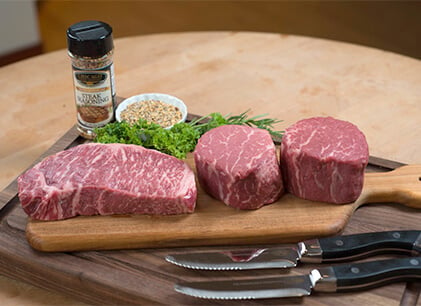
Tallow performs best in high-heat applications: searing steaks, roasting vegetables, and frying. Its neutral flavor and high smoke point mean it adds textural benefits, like a crisper crust, without dominating a dish the way a strongly flavored oil might. If you are watching your saturated fat intake overall, pairing it with one of the leaner steak cuts is an easy way to balance the plate.
Incorporating Tallow in Diet Safely
A practical approach is to think in terms of your overall day, not just one dish. If you are cooking with a tablespoon or two of tallow for a meal, balance the rest of your day with unsaturated fats, plenty of vegetables, and lean proteins. Rotating tallow with olive oil, avocado oil, and other fats, rather than using it exclusively, is a simple way to enjoy its cooking benefits without overloading on saturated fat.
Frequently Asked Questions
Is beef tallow healthier than olive oil?
For everyday heart health, olive oil generally comes out ahead because of its much lower saturated fat content and higher monounsaturated fat content. Tallow's advantage is its stability at high heat, which makes it a better choice for certain cooking methods, even if it is not the "healthier" option overall.
What do cardiologists think of beef tallow?
Most cardiologists recommend caution and moderation given tallow's saturated fat content, generally favoring unsaturated fats like olive oil for daily use. Occasional use within a balanced diet is not typically flagged as a major concern.
Is beef tallow better for you than butter?
Nutritionally, they are fairly close, both high in saturated fat. Tallow holds up better under high heat, while butter offers richer flavor for baking. Neither is clearly healthier; the right choice depends on what you are cooking.
What are the downsides of using beef tallow?
The main downside is its saturated fat content, which can add up quickly if tallow becomes your primary cooking fat. Used occasionally and in moderation, alongside plenty of unsaturated fats, it is not considered a significant health risk for most people.
The Verdict
Beef tallow is not the villain some headlines make it out to be, and it is not the miracle health food others claim either. It is a traditional, stable cooking fat that is high in saturated fat and works best in moderation, alongside a diet built mostly around unsaturated fats, vegetables, and whole foods. Used thoughtfully, it can absolutely have a place in a healthy kitchen, especially spooned over a quality Wagyu steak fresh off the pan.



Leave a comment
This site is protected by hCaptcha and the hCaptcha Privacy Policy and Terms of Service apply.