



How to slow-roast prime rib
Our guide to a slow-roasted prime rib for the holiday table.

Filet mignon is known for being tender, juicy, fancy, and — yes — pricey. Although you might spend more per pound for a delicious filet mignon, it’s impossible to deny that these steaks are worth it.
It might be intimidating to cook one of these restaurant favorites at home, but we promise that it’s 100% doable. Like other steaks, you can cook filet mignon on the stove, on the grill, or in the oven. It’s even sous-vide-friendly if you want a simple, hands-free way to cook it.
Follow along with our filet mignon cooking guide to learn how to cook filet mignon at home like a professional.
Filet mignon’s name roughly translates from French to English as “tender filet,” which makes perfect sense for this delicate cut of beef that’s unlike any other piece of steak you eat. Known for its texture that requires little chewing, filet mignon has become somewhat of a delicacy in the steak world. You’ll usually see it represented in upscale dining dishes rather than the more rustic steakhouse dishes you might be used to.
This cut has almost a buttery flavor rather than a bold, beefy flavor like ribeye or New York strip steak. Therefore, it lends itself well to herbed butter, light gravy, or au jus as toppings for a little extra flavor.
The filet mignon comes from the tenderloin. The strip of meat is somewhat small compared to other cuts that come from a cow, so tenderloin meat is often more expensive than others because there simply isn’t as much to go around.
Filet mignon is even more special because this particular cut comes from the end of the tenderloin, so only a small portion of filet mignon is available from each animal.
The filet mignon comes from the tenderloin. The strip of meat is somewhat small compared to other cuts that come from a cow, so tenderloin meat is often more expensive than others because there simply isn't as much to go around.
Filet mignon is even more special because this particular cut comes from the end of the tenderloin, so only a small portion of filet mignon is available from each animal.
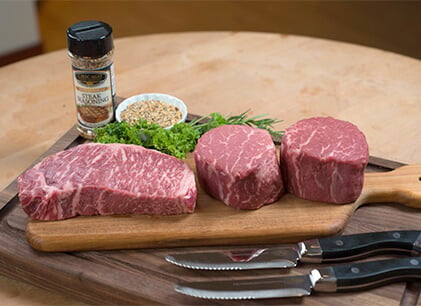
When you're picking out filet mignon, look for cuts that are evenly shaped with a consistent thickness, which helps them cook evenly. The meat should be bright red with fine marbling throughout, even though the filet is naturally lean. Avoid anything that looks dry or discolored. For example, if the surface looks gray or brown around the edges or the texture appears mushy, it’s best to pass. A good filet shouldn’t need a lot of trimming and should feel firm but tender to the touch.
For top-tier quality, choose USDA Choice, USDA Prime, or Certified Angus Beef if available. These cuts tend to be more tender and flavorful thanks to better marbling and strict grading standards. If you're buying from a butcher, you have the right to ask when the meat was cut and whether it was wet- or dry-aged. To make the process easier, place an online filet mignon order from Chicago Steak Company to get a high-quality cut, individually wrapped and flash-frozen, delivered to your door.
Cooking filet mignon at home might feel intimidating, but with the right techniques, it’s easier than you’d think. These expert tips will help you bring out the natural tenderness and flavor of this prized cut, whether you’re grilling, searing, or roasting.
Always rest before slicing. After cooking, let filet mignon rest for 5-10 minutes to allow juices to redistribute (hint: this step is just as important as the cooking itself!).
Perhaps the most common way to cook filet mignon is to pan-sear it and finish it off in the oven. But you can also use several other methods to cook it. Here’s how to do them.
The easiest way to season filet mignon is with a generous sprinkle of salt before the 45-minute brining period and finished with a light sprinkle of freshly ground black pepper before cooking. However, many filet mignon fans enjoy sprucing up the flavor of this cut with some garlic salt while cooking or a dash of steak seasoning just before enjoying.
Filet mignon certainly doesn't need a marinade to help it become more tender, but it could use some additional flavors to spruce up its mildness. A simple marinade is best for this cut. In a bowl, combine olive oil and a few spices and herbs, like basil, garlic, thyme, salt, and pepper. Then, add the marinade and filet mignon to a sealable bag, marinating for at least 2-3 hours in the refrigerator.
Filet mignon can be a tricky cut to cook because of its thickness. Following the cooking guides above can help, but it’s also important to understand typical cooking times, how to measure doneness properly, and what temperatures you need to know based on the cook you want for your filet mignon.
Filet mignon takes longer to cook than others because it’s thicker than a lot of steaks. However, pan-searing and grilling to medium-rare can be achieved in around 20-30 minutes, depending on your desired doneness level. Using the oven also takes about 30 minutes from start to finish, while reverse-searing can take about 45-60+ minutes. The longest method is sous vide, which you’ll spend about two hours waiting for, but it’s a good set-it-and-forget-it cooking method when you have other things to do.
Measure the doneness of filet mignon using a digital meat thermometer. Place the probe in the thickest part of the filet, which is usually right through the middle. Wait for a few seconds before reading the temperature. Remove filet mignon from its heat source between 120-125 degrees for medium-rare. The internal temperature will rise to 130-135 degrees as it rests.
Use this chart to help you determine when to remove filet mignon from its heat source and what its final temperature should be depending on your preferred doneness level:
| Doneness | Remove From Heat | Final Temperature |
| Rare | 115-120°F | 120–130°F |
| Medium-Rare | 120-125°F | 130-135°F |
| Medium | 130-135°F | 140-145°F |
| Medium-Well | 140-145°F | 150-155°F |
For a silky finish, add a pat of butter to the top of each filet after removing them from the heat source. It’ll melt as the filets rest, adding savory flavor and a creamy texture to them.
Filet mignon is rich and tender on its own, so side dishes should complement without overpowering. Think classic, comforting, and flavorful additions that highlight the steak’s buttery texture, such as:
You can also pair filet mignon with grilled broccolini or a simple arugula salad with lemon vinaigrette for something light. For a more elevated dinner, try truffle mac and cheese or parmesan risotto, which bring a touch of indulgence that matches the elegance of the filet without overwhelming its flavors.
Filet mignon is usually the star of upscale restaurant dishes, but it’s also 100% plausible to cook at home. Grill it, sear it, sous vide it — the choice is yours. With some practice using this cooking guide and helpful tips, you can make the perfect restaurant-quality filet mignon in your own kitchen.
Buy mail-order filet mignon from Chicago Steak Company today. The filets arrive in our signature box with a unique registration number for quality assurance.


Our guide to a slow-roasted prime rib for the holiday table.
Our guide to baking a ham for Christmas dinner.


Leave a comment
This site is protected by hCaptcha and the hCaptcha Privacy Policy and Terms of Service apply.