




How to slow-roast prime rib
Our guide to a slow-roasted prime rib for the holiday table.

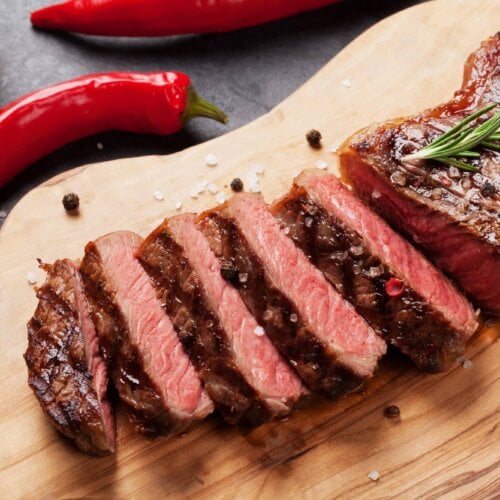
Top sirloin steak is a steakhouse staple. But what makes it so special? For starters, several cuts of steak come from the sirloin area of a cow, so there’s plenty of sirloin to go around. Therefore, it isn’t the priciest steak on the menu, but it still has just about everything you could want in a steak in terms of flavor and texture.
This ultimate cooking guide for top sirloin steak provides all the information you need to know about cooking this cut of beef in the oven, on the grill, in a pan, or with other cooking methods. Become a connoisseur of sirloin steak right in your own kitchen
Sirloin steak gets its name from the part of the cow it’s cut from, the sirloin. This steak is a more affordable option than some pricier cuts at steakhouses and butcher shops, like ribeye and New York strip. Still, it’s a popular cut for the grill because it maintains its shape well and has a strong beef flavor.
Sirloin steak comes from a part of the cow that’s also known as the sirloin. It sits on the back of the animal toward the rear, right by the tenderloin and behind the short loin, where you’ll find other popular cuts like the T-bone and porterhouse.
The sirloin area is actually split into two parts, the top sirloin and the bottom sirloin. The meat from the top sirloin is what you probably hear about most. It’s more popular because it’s great for quick cooks, like pan-searing and grilling, remaining tender and flavorful. Bottom sirloin cuts are a bit more muscly, so they work better for long cooks, like roasting or braising.
Sirloin doesn’t need much care to yield big flavor. Still, knowing a few simple tips to lock in moisture and make the most of your sirloin steak can get you the results you want. Here’s what to know:
Sirloin steak almost always cooks its best with a generous seasoning of salt prior to cooking and resting at room temperature. Add a sprinkle of freshly ground black pepper just before cooking for a little extra flavor.
Add your favorite steak seasoning or a mix of steak-friendly spices and herbs, like thyme, rosemary, and garlic salt, for a heavier, bolder flavor. You can also brush a small amount of Worcestershire sauce on all sides of the steak for a flavor boost.
If you want to switch things up from the classic salt-and-pepper approach, try one of these simple seasoning variations to complement sirloin’s bold, beefy flavor:
Another way to add flavor to beefy sirloin steak is with a marinade. This method is best if you’re baking, searing, or grilling your steak, as the marinade can help you get a crispy outer sear on the meat.
If marinating, do so for at least four hours or overnight if possible. Mix Worcestershire sauce, soy sauce, olive oil, lemon juice, garlic salt, black pepper, minced garlic, basil, and parsley for a basic steak marinade. Cover the steak completely with the marinade in a food storage bag and leave it in the refrigerator until you’re ready to cook.
Like many cuts of beef, sirloin steak works well with various cooking methods. Grill it, sear it, pop it in the oven — just about any cook will do. Still, it’s good to familiarize yourself with a few key points about each cooking method with sirloin steak for the best results.
Before getting started with any of the following cooking methods, be sure to pull your steak from the refrigerator 45 minutes before you’re ready to cook it. Salt the steak generously on all sides and let it sit at room temperature. This process creates a brine that keeps the outside of the steak crisp when seared and the inside juicy and tender.

If you’d like to skewer your sirloin steak instead, first cut the steak up into one-inch chunks. Slide them onto skewers with your choice of vegetables. Then, place the skewers on the grill for about 5-10 minutes until cooked through, occasionally turning to brown the meat. Let rest for five minutes before serving.
If marinating the steaks before grilling, be sure to pat them completely dry and allow them to rest at room temperature for 15-20 minutes. You don’t need to salt or season the steaks, but you can if you’d like. Optionally, boil your leftover marinade and use it to baste the steaks while they cook on the grill.
Each of the above cooking methods takes a different amount of time to complete. Here’s a glance at sirloin steak cooking times to help you decide which method is best for your meal:
A steak sear can be a little deceiving because a browned outside doesn’t necessarily lead to a cooked inside. Use a digital meat thermometer to make sure your sirloin steak gets cooked to the right temperature for you. For medium-rare steak — the golden standard — remove the sirloin from the heat when it reaches 120-125 degrees in its thickest part. It’ll continue cooking a bit more during the resting period to come to its final temperature of 130-135 degrees.
| Doneness | Remove From Heat | Final Temperature |
| Rare | 115-120°F | 120–130°F |
| Medium-Rare | 120-125°F | 130-135°F |
| Medium | 130-135°F | 140-145°F |
| Medium-Well | 140-145°F | 150-155°F |
| Well-Done | 150-155°F | 160°F+ |
Ready to cook a sirloin steak at home? This cut is relatively simple to perfect on the grill, in a pan, reverse-seared, or even sous-vide style.
For top-notch hand-cut and hand-selected sirloin steak that you can order online to ship to your house, browse Chicago Steak Company’s sirloin steak selection. Our top sirloin is available in Premium Angus and USDA Prime Wet Aged.


Our guide to a slow-roasted prime rib for the holiday table.
Our guide to baking a ham for Christmas dinner.


Leave a comment
This site is protected by hCaptcha and the hCaptcha Privacy Policy and Terms of Service apply.