




How to slow-roast prime rib
Our guide to a slow-roasted prime rib for the holiday table.

In the world of steak, there's virtually no beef cut that's as eye-catching and dominating as the rustic, meaty dry aged tomahawk. Tomahawk steak is easily one of a food photographer's most prized pieces of meat, practically coming to life in photos. However, if you've ever tried one of these tasty steaks, you know that no photo beats it sitting on your plate.
Although this cut of beef is usually reserved for fancy steakhouses and five-star restaurants, there's no reason you can't have it on your dinner table. This guide teaches you how to cook tomahawk steak on the grill, in the oven, and even deep-fried.
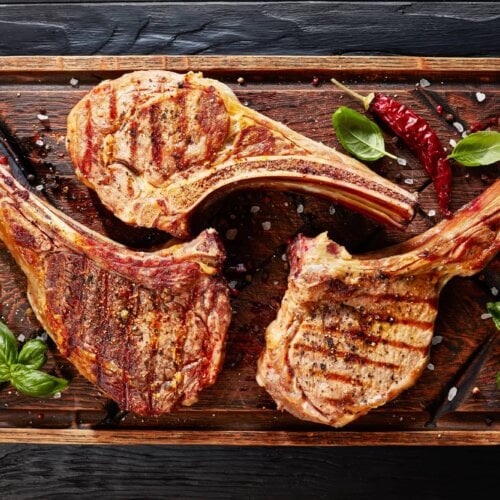
The tomahawk steak resembles — you guessed it — a tomahawk ax from Native American tribes. Its protruding bone makes it the star of any dinner plate it’s on, and it’s this bone that makes people know that it’s a tomahawk steak immediately.
Tomahawk steak is known for its beefy, slightly buttery flavor. It’s thick and juicy, making it one of those cuts that works perfectly on its own without the need for tons of spices, marinades, or sauces. Like a ribeye, the tomahawk steak is well marbled, helping out its flavor and texture as it cooks. Bold taste and thick meat make this cut a steak enthusiast's favorite.
Essentially, a tomahawk steak is a ribeye with its bone left in place. This cut comes from the rib area of the cow, in front of the short loin and behind the chuck area. That large, commanding bone that juts out from the meat is one of the cow’s ribs. A butcher uses a technique called Frenching to trim the excess meat and fat from that bone, leaving it clean and pristine when it’s ready to cook.
Already a showstopper in both looks and flavor, the tomahawk steak still benefits from a few extra tricks to make sure it reaches its full potential. Here are a few tips to help you get even more out of this beefy cut:
Season tomahawk steak like you would most other steaks for the best sear by salting generously on both sides and letting rest for 45 minutes before grilling, oven-baking, reverse-searing, or pan-searing. Add some ground pepper right before cooking if desired.
For more robust flavoring, use a dry rub made with your favorite seasonings that pair well with steak, like garlic powder, onion powder, and paprika. Rub the mixture all over the steak, and you'll end up with a flavorful crust when seared.
Marinating is entirely optional for a tomahawk steak, as this cut is wonderfully tasty and juicy without any additives. Still, a marinade can be a good way to introduce some new flavors into the steak and works especially well on the grill. If marinating, consider using herbs that complement the tomahawk's beefy flavor profile well, like rosemary and thyme. Marinate for at least four hours, if possible, or overnight in the fridge.
A tomahawk steak is just about as versatile as its cousin, the ribeye. Choose from the following cooking methods to use with your tomahawk steak. Before each, consider creating a dry brine to help crisp the steak as it cooks. To do this, remove the steak from the refrigerator and salt generously on all sides. Then, leave at room temperature for 45 minutes before cooking.
Did you know that you could deep-fry a steak? Tomahawk steak is actually a favorite for this because of its long bone that serves as a convenient handle for the steak. To deep-fry your tomahawk steak, preheat the deep fryer until the oil is ready. Slowly dip the steak into the fryer, leaving the rib bone standing up.
Allow the steak to cook for 8-15 minutes or until a digital meat thermometer inserted into its thickest part reaches your desired doneness level (120-125 degrees for medium-rare). Let rest for 5-10 minutes at room temperature.
Tomahawk steak already has the looks and flavor to impress, but how you prep, cook, and serve it makes a difference. If you’re aiming for that perfect crust, a juicy center, and big-time flavor, follow this step-by-step breakdown.
Dry-brine your steak by salting all sides generously, then let it sit out at room temperature for about 45 minutes. This helps the surface dry out for a better crust and lets the meat cook more evenly. While the steak rests, make a simple compound butter by mixing softened butter with herbs like rosemary, thyme, or parsley, plus a bit of garlic. Wrap it in plastic wrap and chill it until you’re ready to use it during or after cooking.
Your method here depends on your setup, but the goal is the same: build a flavorful sear without overcooking the center. If you’re grilling or pan-searing, start hot to get that golden-brown crust, 2-4 minutes per side. Then reduce the heat to finish cooking slowly to your desired doneness. Reverse searing works great, too, especially for thick tomahawk cuts. Just start low, around 225 degrees, and finish with a hot sear in a cast-iron skillet or directly over the flame.
Once the steak hits its target internal temperature (pull it at about 125 degrees for medium-rare), it’s time to rest. Tent it with foil and give it 5-10 minutes to let the juices redistribute. Right before slicing, top it with a pat of your compound butter, letting it melt over the top. This adds richness, a silky finish, and some extra flavor and juiciness.
Tomahawk steak is a showpiece, so presentation can be just as important as the cook. Consider serving it whole on a cutting board (it’s truly eye-catching this way!), then slicing it off the bone and cutting across the grain into thick strips. A sprinkle of sea salt on top is a good way to finish it off.
Tomahawk steak is bold and rich, so there aren’t many sides that can overpower it. The trick is to make sides that balance its flavors, like garlic green beans or roasted broccoli if you’re going more classic. For something more out-of-the-ordinary, go for creamed spinach or a mushroom risotto. This steak also pairs well with lighter sides, like an arugula salad or a corn salsa.
To make the most of your newfound tomahawk cooking experience, learn more about what cooking times to expect from each cooking method and how to measure doneness to ensure the right cook.
Cooking times vary with each cooking method and pieces of equipment you use. However, the following times are what you can generally expect from each method when cooking tomahawk steak:
For accuracy, use a reliable digital meat thermometer to check the doneness of your tomahawk steak. Insert the probe into the thickest part of the meat to make sure your steak is cooked to your liking throughout.
We recommend medium-rare for this cut of beef. To reach a medium-rare cook, pull the steak from the grill, pan, or oven when it reaches 120-125 degrees internally. Adjust this +/-5 degrees for each level of doneness. For example, you'll want to pull the steak from the heat when it reaches 130-135 degrees for a medium cook.
If cooking sous-vide, keep the water temperature at 130-135 degrees for medium-rare unless you're searing the meat afterward. If so, set the temperature to 125 degrees.
Tomahawk steak is just like a ribeye but with a massive ribeye bone exposed. You'll get the same delicious flavors and appealing texture from tomahawk as you would a boneless or bone-in ribeye. The cooking methods are similar, too, aside from having to make space for the long rib bone in a pan or on the grill.
Order tomahawk ribeye steaks from Chicago Steak Company for convenient home delivery. We offer dry-aged and wet-aged tomahawk steaks featuring 30 ounces of some of the best beef you can buy.
Main Course


Our guide to a slow-roasted prime rib for the holiday table.
Our guide to baking a ham for Christmas dinner.


Leave a comment
This site is protected by hCaptcha and the hCaptcha Privacy Policy and Terms of Service apply.