




How to slow-roast prime rib
Our guide to a slow-roasted prime rib for the holiday table.

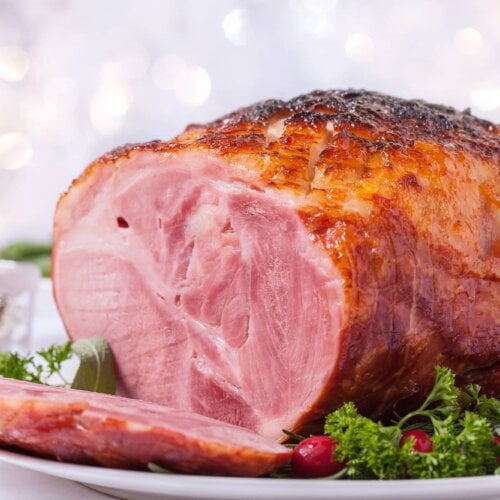
To cook a ham in the oven, score the fat, season it, cover it with foil and bake it in a roasting pan with a little liquid in the bottom. Brush on the glaze near the end, check the center with a meat thermometer, and let the ham rest before you carve.
Cooking ham in the oven can be tricky, but we’ll give you tips to nail it every time. With easy-to-follow steps for choosing a ham, seasoning it, baking it to ideal doneness and glazing for a pretty presentation, you’ll gain confidence to serve juicy, flavorful ham that wows guests. This guide makes the process approachable for beginners and adds helpful troubleshooting along the way.
When selecting a ham to bake in the oven, one of the first decisions is whether to choose a ham with the bone in or a boneless ham. A bone-in ham will offer richer, meatier flavor as the bone marrow infuses into the meat while baking. However, boneless hams offer more uniform thickness and even cooking times. Boneless hams also provide tidy, easy-to-carve slices and no need to navigate bones at the table.
If serving a smaller gathering or prioritizing ease, a boneless ham is a practical choice. For creating a lavish centerpiece entrée that imparts impressive roasted ham flavor, choose a bone-in variety such as a cured and smoked bone-in half ham. Allow about 15-20 minutes per pound of additional baking time for bone-in versus boneless.
Working with a pre-sliced ham? See our guide to cooking a spiral ham.
Hams are cured and preserved through various methods that impact their final moisture levels, texture, flavor and saltiness. Common terms found on labels include:
Reading curing details equips you to select a ham aligned with your taste preferences and appropriate soaking times.
To desalinate extremely salty dry-cured hams, soaking is a necessary step before cooking. Soak for 8 to 12 hours or up to a full 24 hours for very dense, bone-in ham joints. Discard the water halfway through and cover with fresh water. If pressed for time, you can boil the ham for a few minutes before discarding water to quicken salt diffusion.
For wet-cured or smoked hams, soaking may only be needed for 1-2 hours unless you desire less saltiness in the end result. Test for saltiness by frying a small piece before baking the whole ham. If still too salty, continue soaking in hourly increments until mellowed.
Scoring a ham’s fatty outer layer in a crosshatch pattern allows heat to penetrate evenly into the thickest areas of meat. Use a sharp knife to cut 1/4 inch deep diagonal slices across the ham at 1 1⁄2 inch intervals. Stud the crosshatch slices with whole cloves for pockets of aromatic flavor.
The scored fat also provides a vessel to catch any glazes, juices or marinades applied before or during baking for enhanced moisture and taste.
Get creative with additions to the scored ham such as chunks of fruit, herbs like rosemary or sage or slivers of garlic. The slots provide the perfect pockets to add complementary flavors that infuse the meat during baking.
Marinating a ham for 6-12 hours before roasting allows time for the flavors to permeate while also tenderizing and moisturizing the meat. Sweet fruit purees, ginger ale, honey and maple syrup make excellent bases for marinades. Try flavor profiles like brown sugar and pineapple juice or apple cider spiked with cinnamon and cloves.
For seasoning, classic flavors include brown sugar, maple syrup and orange or pineapple juice brushed on before baking. Or coat the ham with a dry rub spice blend, allowing it to form a flavorful, caramelized crust while cooking. Consider kosher salt, brown sugar, cloves, allspice and dry mustard or play with creative combinations aligned with the ham’s other ingredients.
Before placing your seasoned ham in the oven, wrap it tightly in two layers of foil to steam and preserve moisture during the long baking time while also preventing the ends from overcooking.
Use a large roasting pan to catch any juices expelled during heating. Allow the wrapped ham to rest at room temperature for 30 minutes to 1 hour before baking so it heats evenly. This resting time allows the meat time to absorb any marinades so flavors distribute consistently throughout.
Once rested, into the oven it goes! Now your thoughtfully prepared, flavor-packed ham is ready for a beautifully roasted outcome.
The ideal oven temperature for baking ham depends on the size and type you select. For bone-in hams, set the oven between 325°F and 350°F. The bone conducts heat to deeply season the meat without risk of burning the exterior.
Boneless hams cook faster, so use an oven temp between 350°F and 375°F. Allow the oven to fully preheat before baking so the ham immediately enters a hot environment, sealing in juices. If unsure of your oven’s accuracy, utilize an oven thermometer placed on the middle rack. This ensures the temperature is precise versus relying solely on the oven dial setting.
To determine appropriate ham baking times, consult any included manufacturer charts or allow 15-20 minutes per pound for bone-in and 18-24 minutes per pound for boneless, uncured hams. So a 10 lb bone-in ham would bake for 150 to 200 minutes.
For precooked hams, simply warm through at 325°F for 8-10 minutes per pound. Always use a meat thermometer to confirm the internal temp reaches 140°F for cooked hams and 160°F for fresh hams.
Basting the ham every 30 minutes with pan drippings, broth or fruit juices introduces essential moisture and flavor back into the meat’s surface as it loses natural juices. Basting too early washes away the glaze or seasoning crust. Use tongs and an angled meat baster to evenly distribute the basting liquid over all surfaces while avoiding burns from steam or hot drippings.
For set-it-and-forget-it moisture, fill a roasting pan with 1-2 inches of water or fruit juice like pineapple or apple before adding your ham and roasting. The evaporating liquid creates a steam bath, keeping your ham deliciously moist.
Place bone-in hams on a lower rack, closer to the oven’s heat source. The bone disseminates heat to the innermost meat. Boneless hams can roast centered between middle racks. Rotate the ham’s position 180 degrees halfway through baking to promote even heating. If one side seems to brown faster, tent foil over that section, allowing slower cooking areas to catch up during the remainder of the time.
An instant-read meat thermometer offers the best assessment for ham doneness. Insert into the thickest meaty areas, away from the bone. Precooked hams should reach 140°F and uncured, fresh hams need an internal temp of at least 160°F. If undercooked, continue roasting in 15 minute increments until the proper temp registers. An overbaked ham still provides tasty leftover options like sandwiches, omelets or casseroles.
Allow the completely baked ham to rest tented in foil for 15-30 minutes before carving. This finishing rest enables the juices stirred during slicing to settle evenly back through the meat fibers. Cool leftovers for 2 hours at room temperature before refrigerating.
Proper cooling prevents bacteria growth and retains moisture in the reheated ham later. If glazing a precooked ham, brush the glaze on during the final 10 minutes then allow to rest the full 30 minutes for the glaze to properly set.
Once comfortable with basic roasting techniques, advanced options provide new dimensions of flavor. Try adding hard apple cider, wine or citrus juice to the roasting pan for fragrant steam to delicately permeate. Counsel more nuanced taste profiles by rubbing spices like clove, cinnamon and allspice underneath ham skin prior to baking.
Experiment with a brown sugar-mustard coating or get creative with fruit chutneys and relishes in the scored ham slots. An elevated presentation calls for an artistic scoring pattern and decorative clove studding. With these sophisticated touches, your guests will savor ham perfection.
Short on oven space? You can also cook a ham in a crock pot.
A beautifully glazed ham achieves the coveted combination of crisp, caramelized exterior housing tender, juicy meat beneath. Glazing locks in moisture while applying a lacquered sheen through an interval baking process of applying flavored syrups followed by short oven bursts to set each layer.
When selecting a ham glaze, consider options complementary to the ham’s other flavors. Sweet fruit purees like pineapple, peach, cherry or orange make excellent bases. For savory enhancements, stain the glaze with mustard, horseradish or aromatic spices like cinnamon, nutmeg or cloves.
Classic brown sugar glazes offer deeper molasses notes while honey and maple syrups provide milder sweetness. Kick up the complexity with spirits like bourbon, rum or port wine.
If you want a honey glaze, see our guide to cooking honey baked ham.
Cook quick glaze mixtures of fruit preserves, brown sugar, honey and spices in a small saucepan until melted, smooth and slightly reduced to reach the desired consistency for coating. Cool 5 minutes before brushing onto ham. For thicker glazes with finely minced ingredients or a cooked dressing base, apply as is or thin only with a splash of the fruit juice or liquor used.
Use a silicone brush to sweep glaze evenly over all ham surfaces, letting it drip attractively down the sides. Start glazing in the ham’s last 30-45 minutes of baking so the meat nears doneness yet adequate time remains for the glaze to caramelize without burning. Reapply a second glaze layer after 10 minutes and bake 10 more minutes after the final brushing to finish setting the glaze.
When glazing, increase oven heat to 375°F-400°F. The higher temp speeds browning reactions between sugars and proteins to set each glaze application in a short bake. Lower temps won’t properly caramelize the glaze while higher temps risk burning. Bake glaze layers for 8-12 minute intervals. Less time can’t set the glaze and more risks burning.
Observe as the glaze bubbles and browns, using tongs to peek at progress on the ham’s underside and ends. If glaze drips occur or dark spots appear, rotate pan position and lower heat by 25 degrees. If the glaze isn’t browning, increase oven temp in 25 degree increments until achieving desired lacquered shine. For stubborn areas refusing to caramelize, add extra glaze only on those spots during the last minutes of baking.
Infuse unique smoke flavors into glazes by "smoking" ingredients like sugars, fruits or spices uncovered directly in the oven 5 minutes before mixing glaze. Or amplify taste contrasts by glazing half the ham with sweet pineapple glaze and the other half with sharp mustard glaze. For textural beauty, press chopped toasted pecans or pistachios into the tacky glaze surface.
Dress up presentation by piping glaze decoratively across the ham or garnishing with fresh herbs.
After all the preparation and oven time, present your masterpiece ham at its best for guests to admire before enjoying. A few final touches bolster aesthetic appeal while ensuring the meat shines as the star of your spread.
Allow the baked ham to rest 15-30 minutes before carving so juices redistribute evenly for a moist cut. Use a sharp carving knife with carved channels guiding tidy, thin slices. For bone-in hams, carve perpendicular to the bone which naturally segments the leg.
Follow the muscle separations that emerge after the first slices fall away. For boneless roasts, simply slice across the grain starting at the thickest meaty areas.

Artfully arrange slices or chunks on a worn wooden board or silver platter for rustic or elegant style. Consider weaving herb sprigs like rosemary or sage through stacked slices. Surround the ham with fresh fruit like pineapple rounds, pomegranate arils or orange slices echoing flavors within. Offer a trio of mustards, chutneys and relishes in small ramekins so guests may customize each bite’s flavor.
The tender meat of a baked ham makes it suitable to serve warm, at room temperature or chilled. Pair warmer temperatures with classic southern biscuits and fruit compotes turned out fresh from the oven. A room temperature presentation following a rest period allows the ham’s natural flavors to shine alongside spinach salads topped with crisp apples and toasted nuts.
Cold sliced ham with pickles, cheeses and grainy mustards creates a refreshing appetizer assortment or makes delicious sandwiches layered with tangy fillings.
Saving some for later? Here is how long ham lasts in the fridge.
If the glaze thickens between bastings, stir in pan juices to thin. For added depth, deglaze the roasting pan and mix with glaze before final glazing layers.


Our guide to a slow-roasted prime rib for the holiday table.
Our guide to baking a ham for Christmas dinner.


Leave a comment
This site is protected by hCaptcha and the hCaptcha Privacy Policy and Terms of Service apply.