




How to slow-roast prime rib
Our guide to a slow-roasted prime rib for the holiday table.

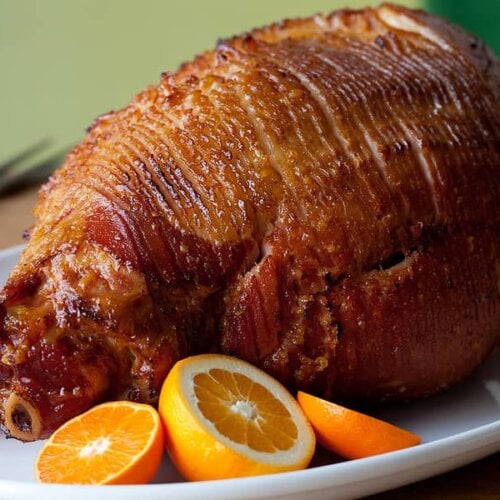
Smoking ham made easy. This guide covers choosing the right ham, setting up your smoker, maintaining perfect temperature and smoke, glazing techniques, and foolproof carving. You’ll learn insider tips for making juicy, tender smoked ham with an irresistible smoky flavor and crispy glazed exterior. Get ready to impress at your next barbecue or holiday feast.
When it comes to smoking ham at home, choosing the right variety is key to achieving maximum flavor and texture. Understanding the differences between the main types of ham and selecting one suited to smoking is the first step.
Hams fall into three main categories - wet cured, dry cured, and fresh. Wet cured hams like Black Forest are brined or pickled before smoking, resulting in a supple texture and milder flavor. Dry cured hams get their signature salty punch and concentrated pork essence from an extended salting period prior to smoking. Fresh hams are uncooked and uncured, lending themselves well to custom curing and smoking but requiring more time.
When buying a ham to smoke, look for labels indicating whether it's been cured and if it's pre-cooked. Opting for an uncured fresh ham allows you to control the curing and smoking process from start to finish.
When selecting a ham for smoking, consider the size, bone-in or boneless, skin-on or off, and fat content. Larger, bone-in hams with some fat lend the best flavor, but require longer smoking times. Skin-on is recommended, as the skin protects the meat and imparts flavor. Seek out quality designations like heritage breed or artisanal when buying from a local butcher.
These ham varieties are prime candidates for smoking due to their texture and ability to absorb smoke flavor:
Go for quality over quantity when selecting a ham for smoking. Seek out flavor-packed artisanal or heritage offerings and customize your curing and smoking process for maximum control and taste.
Properly preparing the ham is vital for maximizing texture and flavor during the smoking process. Taking the time to trim, score, and treat the meat before smoking can make all the difference in the finished product.
Thoroughly cleaning the raw ham should be the first step, using cool water and patting dry with paper towels. Be sure to rinse and scrub away any dried bits or bone dust. Properly trimming the fat cap to precisely 1⁄4 to 1⁄2 inch thickness allows optimal smoke penetration.
Using a sharp 6-inch boning knife and a Kevlar mesh cut glove, trim uneven fat until you have an even 1⁄4-inch layer across the entire surface. This leaves just enough fat to baste the meat during smoking while preventing bitter charring.
Scoring involves cutting shallow Xs or diamond shapes about 1⁄2 inch deep across the meat side. Make scores spaced 2 inches apart for a 10-15 lb ham. Use a very sharp thin-tipped knife and cut at a precise 45-degree angle.
Soaking the prepared ham in a wet brine solution for 12-24 hours infuses moisture and flavor. Dissolve 1 cup kosher salt and 1 cup maple syrup per gallon of apple juice or cider. Submerge ham in brine kept at 40°F.
For more intense flavor, rub a mixture of crushed garlic, black pepper, and maple syrup directly on the meat before smoking. Use a 2:1 maple syrup to minced garlic ratio plus 2 teaspoons coarse black pepper per pound of meat.
Experiment with different pre-smoke preparations to find what suits your ham variety and taste preferences best. Proper prep before heading into the smoker results in finger-licking goodness. Don't be afraid to try something new!
When smoking a ham at home, proper grill setup is crucial for temperature control and evenly circulating smoke. Preparing the grill to facilitate indirect heat and contain the smoke will allow the ham to absorb maximum flavor.
The best grills for smoking ham include charcoal, gas, electric smokers, and kamado style grills. Charcoal imparts a light smoky flavor while gas offers set-it-and-forget convenience.
Electric smokers make maintaining low temps easy, while ceramic kamado grills lend the most flavor. Choose one that fits your budget and skill level. Top-rated options include the Weber Smokey Mountain, Pit Boss Electric Smoker, and Big Green Egg.
The target temp for smoking ham is 225-250°F, low and slow. Use the grill's vents to dial in and fine tune heat, closing or cracking them as needed. Soak wood chips 30 minutes then add a small handful directly to coals every 45 mins to an hour to continually produce thin blue smoke. Use a lid thermometer and register ambient temps at grate level with a probe thermometer for the most control.
Arranging coals or turning off one set of gas burners creates distinct heat zones within the grill for indirect smoking. Place a drip pan filled with water, juice, or beer below the ham on the cool zone to add moisture.
Put a foil wrapped ham on the grate over the drip pan, away from direct heat. Stir charcoal, adding a handful of chips every 45-60 minutes. Keep vents partially open to pull heat and smoke over ham before venting.
Selecting the variety of wood used when smoking ham greatly influences the depth of flavor in the finished product. Each wood type lends its own unique aroma and taste that pairs well with different ham varieties. Preparing the right amount of an ideal wood enhances the smoking process from start to delicious finish.
Hickory wood imparts a robust, bacon-like flavor while fruit woods like apple and cherry offer a milder sweetness. Oak contributes a middle-of-the-road woodsy flavor.
Pair bold black forest ham with hickory and more delicate Serrano ham with cherry or apple wood.
Mesquite wood smoke can easily overwhelm so use sparingly or blend with a fruit wood. Start with milder woods until you pinpoint your preferences.
Soak wood chips overnight before use to slow burn. Two medium handfuls of chips added every 45-60 minutes supplies ideal thin smoke. Pay close attention for the first hour as the ham will absorb the most smoke flavor early on.
For longer unsupervised smoking times, substitute wood chunks instead, adding one soaked medium chunk each hour as needed to maintain smoke levels.
With your ham seasoned, grill prepped, and smoke wood primed, it's time to start smoking. Follow these comprehensive, step-by-step instructions for ham smoking success from start to savory finish.
Allow for at least 18 hours of prep, rest, and smoking time for a bone-in ham. Monitoring temperature and smoke levels every 30-45 minutes is vital.
Use a 4-probe wireless thermometer to track grill surface temp, internal meat temp, and ambient temp simultaneously without lifting the lid. Keep the exhaust vent 25% open and monitor smoke opacity. Gauge smoke density visually through the top vent - thin blue smoke is ideal compared to thick white smoke.
For hams smaller than 8 lbs or larger than 15 lbs, use a meat thermometer to determine exact doneness instead of time. Expect 1-1 1/2 hrs per lb. Watch closely towards the end - smaller hams dry out quicker while larger hams need longer to reach safe internal temp.
A flavorful glaze takes a smoked ham from simple to spectacular. Brushing on sweet and savory layers builds flavor while helping form an irresistible mahogany bark. While tradition calls for a maple or brown sugar glaze, don’t be afraid to get creative with fruit preserves, spices, herbs, and spirits.
A basic glaze contains equal parts sweet and savory elements like maple syrup, honey or brown sugar plus mustard, vinegar or fruit preserves. Experiment with these delicious combinations:
Begin lightly brushing the ham with glaze during the last third of estimated smoking time, after at least 2 hours. This allows the smoke to permeate and prevents burning. Use a silicone brush and apply a thin, even layer each hour. If desired, stop glazing an hour before completion so the glaze can set.
A beautiful glazed crust and moisture-rich interior are hallmarks of a perfectly smoked ham. Strategic glazing and wrapping during the lengthy smoking process helps achieve both. Paying close attention and making adjustments along the way results in the ideal blend of flavorful bark and tender, juicy meat.
Wait until at least halfway through estimated smoking time before brushing on your first layers of glaze. This allows the smoke flavor to permeate deeply. Mix 1⁄2 cup glaze and apply even thin layers every hour for the last 3-4 hours.
Use a high-heat silicone brush and resist the urge to overdo it. Too much glaze can turn bitter or cause burning.
Right after glazing around hour 4-6 of smoking, wrap the ham tightly in foil, sealing well but leaving a few small vents. The foil retains moisture and heat during remaining cook time. Peel back and reglaze during last hour if desired.
Butcher paper also works for wrapping if watching closely. Avoid wrapping too early or smoke penetration may be hindered.
Observe the ham’s progress after wrapping through tears in the foil. Check for doneness early if glaze starts to burn through. Add smoking time if the meat is still too cool or pink when pierced in the thickest areas.
For best results, use a reliable Bluetooth meat thermometer with high and low alarms to monitor internal temp. This eliminates guesswork and overcooking.
Tending the smoker carefully throughout the prolonged ham smoking process is what takes it from ho-hum to heavenly delicious. Keeping a hawk's eye on temperature, smoke, and other variables lets you make subtle adjustments for ultimate flavor and texture success.
Invest in a quality wireless thermometer with multiple probes to easily monitor meat, grill surface and ambient temperature simultaneously without continuously lifting the lid. Add fresh charcoal or wood as needed to maintain 225-250°F. Check for thin blue smoke through the top vent, adding a couple more wood chunks if it peters out.
If smoking in high humidity or temperature swings from day into evening, you may need to tweak vent openings and fuel additions accordingly. Block wind or move the smoker to a protected area if it causes wide temp fluctuations. Allow slightly more time if smoking in very hot or very cold ambient conditions.
If you encounter a bitter smoke flavor, the ham may be absorbing too-heavy smoke - vent to allow some to escape. Wrap ham in foil if the exterior seems to be drying out or cooking too rapidly before the interior is done. If fat flare-ups char the meat, move to indirect heat or place a foil shield as needed. Have water, juice and backup fuel ready to diffuse any issues.
While ham smoking requires patience and precision, staying alert and making minor corrections will allow you to ride out any erratic smoker behavior.
With your ham smoked, glazed, and rested to perfection, all that remains is crisping up that mahogany rind to a textural sweet and savory crunch before slicing and serving. Moving over direct heat at the very end firms up the meat and renders irresistible crispy bits.
After the ham has fully smoked and rested, carefully move it directly over the fire or turn up gas burners to achieve 350-375°F high heat. Rotate frequently for about 10-15 minutes until the skin crackles when pressed and rich browned glaze begins to bubble. Resist the urge to rush the process or burning can result.
It may be tempting to slice right away while hot, but allowing the ham to set further after crisping prevents tears in the gorgeous glazed exterior. Likewise, don't leave unattended over high heat or small flare-ups can lead to scorched ham. Keep a spray bottle of water or foil tent handy just in case.
Allow the crisped ham to rest at least 20-30 minutes before attempting clean slices. Use a sharp carving knife to cut across the grain into thin slices, trimming any charred edges. Arrange overlapping slices on a wooden board and garnish with fresh herbs. Serve with a selection of mustards, pickles and biscuits to complement the full spectrum of smoked flavors.
After pouring so much care and effort into smoking the perfect ham, it’s time to carve, plate, and savor your marvelous creation. Serving your masterpiece ham as the crown jewel of the meal allows it to bask in well-deserved glory. Read on for carving tips and pairing ideas.
Allow the ham to rest 15-30 minutes before carving for clean, juicy slices. Use a long slicing knife to cut thin slices across the grain. For bone-in ham, carve around the bone first. Arrange overlapping slices on a pre-warmed platter. Serve ham warm, at 150°F, within the first 1-2 hours after removing from the smoker for ideal flavor and moisture.
The rich flavors and savory-sweet glaze of smoked ham pair beautifully with lighter sides like fluffy biscuits, macaroni and cheese, roasted asparagus or garlic mashed potatoes. Tangy flavors also complement ham, so try pickles, baked beans, potato salad or vinegar-based coleslaw.
This recipe combines the best of both worlds, incorporating the deep, satisfying flavor of a traditionally brined and smoked ham with the sweet and savory notes of a brown sugar and maple glaze. The result is a succulent, flavor-packed ham that's perfect for any special occasion.
Per Serving (based on 12 servings, based on a 2,000-calorie daily diet)
| Nutrient | Amount (% Daily Value (DV)) |
|---|---|
| Calories | 370 (19%) |
| Total Fat | 23g (29%) |
| Saturated Fat | 8g (40%) |
| Trans Fat | 0g |
| Cholesterol | 110mg (37%) |
| Sodium | 1130mg (49%) |
| Total Carbohydrate | 2g (1%) |
| Dietary Fiber | 0g (0%) |
| Total Sugars | 1g |
| Added Sugars | 1g (2%) |
| Protein | 35g (70%) |
| Vitamin D | 0.2mcg (1%) |
| Calcium | 18mg (1%) |
| Iron | 2.3mg (13%) |
| Potassium | 470mg (10%) |
Per Serving (brine effect per 12 servings, based on a 2,000-calorie daily diet)
| Nutrient | Amount (% Daily Value (DV)) |
|---|---|
| Calories | 25 (1%) |
| Total Fat | 0g (0%) |
| Saturated Fat | 0g (0%) |
| Trans Fat | 0g |
| Cholesterol | 0mg (0%) |
| Sodium | 720mg (31%) |
| Total Carbohydrate | 6g (2%) |
| Dietary Fiber | 0g (0%) |
| Total Sugars | 6g |
| Added Sugars | 6g (12%) |
| Protein | 0g (0%) |
| Vitamin D | 0mcg (0%) |
| Calcium | 6mg (0%) |
| Iron | 0.1mg (1%) |
| Potassium | 20mg (0%) |
Per Serving (optional rub, based on 12 servings, based on a 2,000-calorie daily diet)
| Nutrient | Amount (% Daily Value (DV)) |
|---|---|
| Calories | 20 (1%) |
| Total Fat | 0g (0%) |
| Saturated Fat | 0g (0%) |
| Trans Fat | 0g |
| Cholesterol | 0mg (0%) |
| Sodium | 130mg (6%) |
| Total Carbohydrate | 5g (2%) |
| Dietary Fiber | 0.2g (1%) |
| Total Sugars | 4g |
| Added Sugars | 4g (8%) |
| Protein | 0g (0%) |
| Vitamin D | 0mcg (0%) |
| Calcium | 4mg (0%) |
| Iron | 0.2mg (1%) |
| Potassium | 18mg (0%) |
Per Serving (based on 12 servings, based on a 2,000-calorie daily diet)
| Nutrient | Amount (% Daily Value (DV)) |
|---|---|
| Calories | 80 (4%) |
| Total Fat | 4g (5%) |
| Saturated Fat | 2.5g (13%) |
| Trans Fat | 0g |
| Cholesterol | 10mg (3%) |
| Sodium | 15mg (1%) |
| Total Carbohydrate | 12g (4%) |
| Dietary Fiber | 0g (0%) |
| Total Sugars | 11g |
| Added Sugars | 10g (20%) |
| Protein | 0g (0%) |
| Vitamin D | 0mcg (0%) |
| Calcium | 6mg (0%) |
| Iron | 0.1mg (1%) |
| Potassium | 28mg (1%) |
Smoking a ham results in a culinary masterpiece bursting with flavor and tenderness. The careful preparation, brining, seasoning, and attentive smoking process all contribute to its exceptional taste. Whether it's for a festive occasion or a casual gathering, a smoked ham is sure to be a crowd-pleaser, offering versatility in various dishes.
Main Course


Our guide to a slow-roasted prime rib for the holiday table.
Our guide to baking a ham for Christmas dinner.


Leave a comment
This site is protected by hCaptcha and the hCaptcha Privacy Policy and Terms of Service apply.