




How to slow-roast prime rib
Our guide to a slow-roasted prime rib for the holiday table.

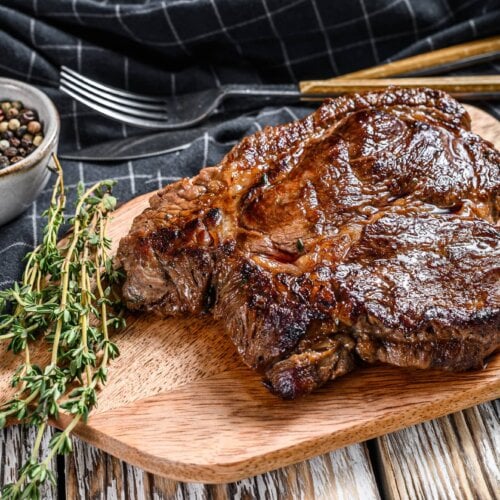
Welcome to our Chuck Eye Steak recipe guide! Whether you're a seasoned grill master or a beginner in the kitchen, this article will walk you through everything you need to know about preparing and cooking Chuck Eye Steak to perfection. From buying the perfect cut to picking the best ingredients and mastering the cooking process, we've got you covered.
Brief Overview of Chuck Eye Steak
Chuck Eye Steak is a cut from the chuck primal, found right next to the ribeye, and boasts a rich, intense, beefy flavor with a slightly more tender texture than some other cuts from the same region.
Tips for Choosing the Best Chuck Eye Steak
Selecting the right Chuck Eye Steak is essential for a successful meal. Here are some tips to help you make the best choice:
Color: Look for a steak cut with a bright red color and marbling evenly distributed throughout the meat. Steaks with excessive browning or a grayish hue are old and could be dangerous when eaten.
Thickness: Opt for steaks that are at least 1 inch thick, as this allows for a more even cooking process and keeps the moisture inside.
Freshness: Choose steaks that have been properly stored and show no signs of freezer burn or excessive ice crystals. Try looking for butchers or online steak shops that guarantee fresh meat every single time.
Importance of Quality and Freshness
The quality and freshness of your Chuck Eye Steak can significantly impact the final taste and texture of your dish. Buying premium-quality beef ensures a more succulent and flavorful meal.
Preparing Chuck Eye Steak for Cooking
Now that you have your ingredients ready, let's prepare the Chuck Eye Steak for cooking. Follow these steps:
Bring the Steaks to Room Temperature: Remove the steaks from the refrigerator about 30 minutes before cooking to allow them to come to room temperature. This ensures even cooking. Do not soak or run it under hot water or leave it somewhere sunny to prevent bacteria from accumulating.
Trim Excess Fat: While Chuck Eye Steaks have good marbling, trim any large, excess pieces of fat to prevent flare-ups during grilling.
Season with Salt and Pepper: Season both sides of each steak generously with salt and black pepper. This simple seasoning enhances the beef's natural flavors.
Seasoning and Marinating Tips
For an extra kick of flavor, consider marinating the steaks in a mixture of minced garlic, chopped rosemary, Worcestershire sauce, and red wine for at least 30 minutes or up to 4 hours in the refrigerator.
Be mindful not to over-season the steaks, as Chuck Eye Steak already has a robust flavor. You can always add more salt and pepper after cooking if needed, serve the steaks on a salt block or plate, or make a DIY seasoning station so your guests can customize their steaks as necessary.
Main Ingredients:
Optional Ingredients for Marinade:
Marinating the Steaks (Optional):
Preparing the Chuck Eye Steaks:
Steak
Per 6–8 oz Cooked Steak (Based on a 2,000-Calorie Daily Diet)
| Nutrient | Amount (% DV) |
|---|---|
| Calories | 460 |
| Total Fat | 34g (44%) |
| Saturated Fat | 14g (70%) |
| Cholesterol | 115mg (38%) |
| Sodium | 290mg (13%) |
| Total Carbohydrate | 0g (0%) |
| Dietary Fiber | 0g (0%) |
| Sugars | 0g |
| Protein | 40g (80%) |
| Iron | 3.5mg (19%) |
| Vitamin C | 0mg (0%) |
| Calcium | 25mg (2%) |
| Potassium | 460mg (10%) |
Marinade
Per Serving Absorbed (¼ of marinade, approx. 25% absorption, Based on a 2,000-Calorie Daily Diet)
| Nutrient | Amount (% DV) |
|---|---|
| Calories | 35 |
| Total Fat | 2g (3%) |
| Saturated Fat | 0.3g (2%) |
| Cholesterol | 0mg (0%) |
| Sodium | 180mg (8%) |
| Total Carbohydrate | 2g (1%) |
| Dietary Fiber | 0g (0%) |
| Sugars | 0g |
| Protein | 0g (0%) |
| Iron | 0.2mg (1%) |
| Vitamin C | 0mg (0%) |
| Calcium | 4mg (0%) |
| Potassium | 30mg (1%) |
To ensure your Chuck Eye Steak is cooked to your desired level of doneness without any guesswork, using a meat thermometer is highly recommended. Here's how to use it effectively:
Insert It in the Thickest Part: The thickest part of the steak is typically the center. Insert the meat thermometer probe into this area to get the most accurate reading of the steak's internal temperature. Ensure the probe is not touching the bone, as this can result in an inaccurate reading.
Wait for It: Allow the meat thermometer a few seconds to stabilize and give you an accurate temperature reading. The reading will indicate the steak's internal temperature, helping you determine its level of doneness.
Rare: 120-125°F (49-52°C)
Medium Rare: 130-135°F (54-57°C)
Medium: 140-145°F (60-63°C)
Medium-Well: 150-155°F (65-68°C)
By using a meat thermometer, you can cook your Chuck Eye Steak precisely as you prefer, whether you like it rare and juicy or medium-well with a hint of pink.
Let's explore the essential cooking tips you can use to achieve optimal flavor and texture when preparing Chuck Eye Steak:
Avoid Pressing Down on the Steak
One of the most common mistakes made when cooking any type of steak is pressing down on it with a spatula or fork. While it may be tempting to do so, especially when you hear that satisfying sizzle, this practice should be avoided at all costs. Here's why:
Juice Retention: Each steak is a juicy treasure chest of flavorful, savory juices. When you press down on the steak with a spatula, these precious juices are squeezed out onto the cooking surface. As a result, you not only lose valuable moisture but also essential flavor. This can lead to a drier and less flavorful steak.
Even Cooking: When you apply pressure, the meat contracts, causing the edges to cook faster than the center. This can lead to a steak that's overcooked on the outside and undercooked on the inside.
Sear Disruption: To achieve a beautiful sear, it's crucial to have consistent contact between the steak and the cooking surface. Pressing down disrupts this contact, making it challenging to get that desirable caramelization and crust on the meat.
Now that you're armed with knowledge about Chuck Eye Steak and the skills to cook it to perfection, it's time to set up the grill or heat up your pan so you and your guests can enjoy a delicious meal. Happy cooking!
Main Course


Our guide to a slow-roasted prime rib for the holiday table.
Our guide to baking a ham for Christmas dinner.


Leave a comment
This site is protected by hCaptcha and the hCaptcha Privacy Policy and Terms of Service apply.