



How to slow-roast prime rib
Our guide to a slow-roasted prime rib for the holiday table.

For most people today, corned beef hash is something that comes from a can and has a questionable texture. The canned form of this dish has little in common with the flavor and texture of a freshly made hash with high quality corned beef. If you’ve recently braised or roasted a hunk of brined beef and enjoyed it for dinner, you only need a sharp knife and a few extra ingredients to make your own hash. You can adjust the dish to your own tastes and get the most out of your leftover corned beef. Learn a little about the history of this interesting dish and then get a foolproof recipe for making it at home.
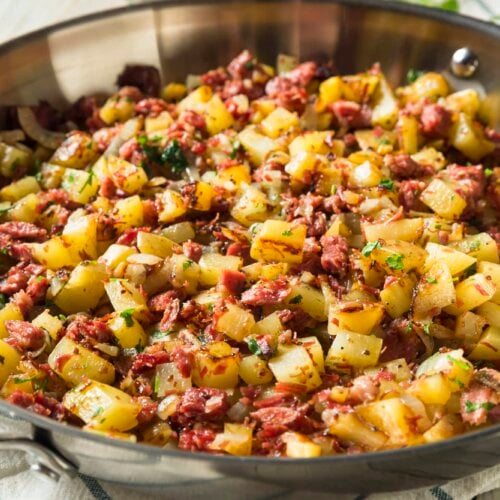
Corned beef hash is a dish that combines finely chopped pieces of corned beef, potato, and onion. All of the ingredients are fried up together in a hot pan and served for breakfast or as a dinner dish. Corned beef is a type of brined meat that has a strong flavor and it’s perfect for balancing out the starchy flavor of potato. The word hash simply refers to the fact that all the ingredients are finely chopped because it comes from the French word Hacher, which means to chop. The cooking method was so popular in the 1800s that there were restaurants known as hash houses that served corned beef hash and other affordable dishes. Today’s corned beef hash comes in a can because of rationing efforts dating back to the World Wars, but there’s no reason you can’t make it from scratch for better results. There’s even a National Corned Beef Hash Day on September 27th.
Canned corned beef is not the best choice for this dish because it fails to hold its shape during the frying stage. It’ll break down into a mush just like you’ll find in the canned version of the dish. For corned beef that stays cubed and tender but not crumbly, start with recently cooked leftover corned beef. You can cook it yourself or pick up a finished slab from a local deli or butcher’s shop. Choose hot-cooked and whole or shredded corned beef rather than meat that is already cooled and sliced. Corned beef intended for sandwiches won’t work so well in this recipe.
If you’re going to cook the corned beef from scratch, look for a piece of brisket cut from the flat or lean side of the roast. It’ll produce an even and tender texture that is relatively low in fat, making it the perfect choice for corned beef hash in particular. If you use a corned beef made with the flat half of a brisket, you won’t need to trim the fat off before chopping it into pieces since a small amount will add to the flavor and texture of the finished half. Braising or boiling the corned beef will produce a soft and dense texture that works well for this recipe. You can also try roasting the meat in the oven after wrapping it tightly with aluminum foil to concentrate the rich flavor.
Russets and similar starchy potatoes can work just fine for this kind of hash, but you’ll need to cut slightly larger pieces and may still end up mashing some of them. New potatoes, often found with red or yellow skins, hold up better during the two-step process. They also have thinner skins and don’t necessarily need peeling before being cut up for the dish. Par-boiling the potatoes until they’re beginning to soften is recommended no matter which type of potato you use. Avoid canned or pre-cooked cubed potatoes since they’ll fall apart during the frying stage.
It’s considered a traditional breakfast dish in many parts of the US. Other forms of hash made with various meats like chicken or shrimp are served as lunch or dinner in various European countries. Hash made with high quality corned beef is filling enough to enjoy for dinner, especially when paired with roasted Brussels sprouts and buttered rolls.
Speaking of side dishes for corned beef hash, fried eggs and other breakfast staples are a common accompaniment. However, you might find the contrast of something like pasta salad or coleslaw to better complement the dish if you serve it for lunch or dinner. Sauteed spinach and poached eggs work great together and taste even better combined on top of corned beef hash. A fresh green salad is the perfect counterpoint if you feel weighed down after eating beef and fried potatoes together.
Once it is chopped and cooked, corned beef hash will stay good for three days in the refrigerator. Keep it covered and refrigerate within 2 hours after cooking. If you’re storing the cooked corned beef and still waiting to make hash with the leftovers, don’t wait more than three days either. Freeze the meat if you can’t use it quickly enough.
Swap the bell pepper for Poblanos, Jalapenos, or other spicy peppers for a dish that will wake you up in the morning. Crack eggs directly into the pan and scramble them with the hash if you prefer. Try tearing the meat into larger pieces and chopping the potatoes a little bigger for a different texture that’s best suited for lunch or dinner.
1. Boil the water in a large pot and add the tablespoon of salt and tablespoon of vinegar. Simmer the potatoes for about 5 minutes, or until they’re losing their crispness but are still firm. Drain and cool.
2. Heat a cast iron pan and add the oil. When the oil is hot, add the onion and bell pepper. Let them soften and cook until the onion is translucent. Add the potatoes, increasing the oil slightly if using Russet potatoes.
3. Stir every so often, ensuring nothing gets too dark as it cooks. Add in the cubed corned beef so it can get some color and warm up. Wait until the potatoes are nearly cooked before adding the meat so it doesn’t cook too long and become mushy. Season with salt and pepper to taste before serving.
Herbs like thyme, oregano, and garlic can spice up the hash without wandering too far from the original flavor profile. Consider adding other seasonings if you drop the bell pepper or onion.
Elevate your weekend breakfast routine with homemade corned beef hash that has more flavor and texture than the canned variety. Make the most of your leftovers with the help of a little frying and the classic flavors of onion and bell peppers.


Our guide to a slow-roasted prime rib for the holiday table.
Our guide to baking a ham for Christmas dinner.


Leave a comment
This site is protected by hCaptcha and the hCaptcha Privacy Policy and Terms of Service apply.