




How to slow-roast prime rib
Our guide to a slow-roasted prime rib for the holiday table.

Marinating meat overnight can transform almost any cut of beef or pork by adding flavor while also subtly tenderizing the texture. There’s no need for a long soak either. Even a four to six hour marinating time can make a big difference in the finished dish. Ribs in particular benefit from marinating because they often get a little dry and tough during an extended cook on the grill or in the smoker.
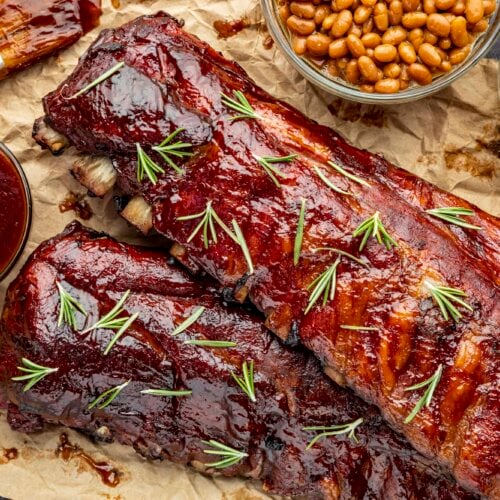
This pork rib marinade pairs perfectly with the natural sweetness of the meat and balances out the lower fat content with a little extra oil. It works great for beef ribs as well, so don’t forget to experiment once you’ve got this marinade down.
This marinade primarily relies on citrus juices and vinegar to create a tender bite while introducing a burst of bright flavor to balance out the pork taste. It’s also well-rounded with plenty of herbs and spices that draw from classic barbecue flavors to back up any sauces you decide to add when the cooking wraps up. If you’d like to play around with the flavors and try different variations, consider:
The easiest way to marinate ribs without having to turn them or flip them over is to use a large resealable bag. A gallon-sized bag should accommodate pork spare ribs, trimmed baby back ribs, and some smaller St. Louis style slabs if you cut them in two.
Look for two to three-gallon-sized bags for whole racks of pork ribs. You can also use a resealable glass or plastic container, but you’ll need to flip the ribs over during the marinating period to ensure even exposure.
Once you’ve used this pork rib marinade to soak your ribs, you can use almost any cooking method you prefer to finish the ribs. They’ll turn out juicy and delicious when grilled or smoked. Even if your methods require four to six hours of cooking, the ribs won’t dry out or lose their flavor.
You’ll also concentrate the flavors and get unbeatable tenderness by using the oven to roast your ribs, first sealed in aluminum foil and then under the broiler to get a good crust.
1. Juice the orange and limes into a bowl. Add the vinegar and oil to the bowl and mix well with a hand mixer or whisk until there is a smooth emulsion.
2. Add the dark brown sugar, lime zest, and seasonings. Mix well, then add the soy sauce, Worcestershire sauce, minced garlic, and hot sauce. Don’t heat or boil the mixture, simply keep whisking until the sugar dissolves and all the ingredients are combined.
3. Mix the marinade right before you plan to use it. Once you’ve removed the ribs for cooking, don’t reuse the marinade or use it to baste the ribs.
Per Serving (approx. 2 tbsp, based on 8 servings, based on a 2,000-calorie daily diet)
| Nutrient | Amount (% Daily Value (DV)) |
|---|---|
| Calories | 100 (5%) |
| Total Fat | 7g (9%) |
| Saturated Fat | 1g (5%) |
| Trans Fat | 0g |
| Cholesterol | 0mg (0%) |
| Sodium | 300mg (13%) |
| Total Carbohydrate | 9g (3%) |
| Dietary Fiber | 0.5g (2%) |
| Total Sugars | 6g |
| Added Sugars | 4g (8%) |
| Protein | 0g (0%) |
| Vitamin D | 0mcg (0%) |
| Calcium | 12mg (1%) |
| Iron | 0.5mg (3%) |
| Potassium | 80mg (2%) |
This flavor profile works great for any other cut of pork you might decide to marinate. Bone-in pork chops are extra flavorful and juicy once they’ve spent a few hours in this tenderizing mixture. Pork roasts also benefit from an overnight soak in a marinade like this one. You can expand into chicken and beef as well with this flavor profile, especially if you toss in a few more green herbs like rosemary and thyme.
If you really want to use some of the leftover marinade to make a sauce for basting on the ribs, you can heat it in a saucepan for 10 minutes at a full rolling boil. This will make it safe to apply even up to the end of cooking and will thicken it slightly.
If you’ve been trying to master pork ribs, this marinade might just revolutionize your efforts. Build a deeper flavor profile and enjoy a juicier bite after a brief soak in this tenderizing mixture. You’ll find plenty of ways to adjust the recipe to fit your own tastes as well.


Our guide to a slow-roasted prime rib for the holiday table.
Our guide to baking a ham for Christmas dinner.


Leave a comment
This site is protected by hCaptcha and the hCaptcha Privacy Policy and Terms of Service apply.