



How to slow-roast prime rib
Our guide to a slow-roasted prime rib for the holiday table.

There's something deeply satisfying about learning how to broil ribeye steak and get the results you wanted. When done right, this straightforward cooking method yields a beautifully browned crust and a tender, juicy interior that could rival your favorite steakhouse. Whether you're cooking for a special occasion or elevating your weeknight dinner, knowing how to properly broil a ribeye is a skill worth perfecting.
Let's break down everything you need to know.
Not all ribeyes are created equal, so it’s important to understand what qualities make a high-end cut.
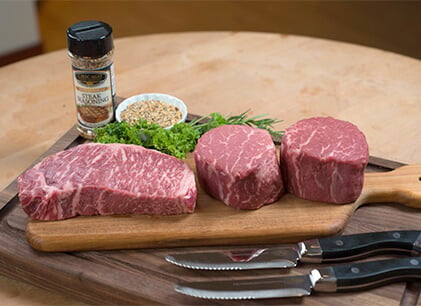
First, look for marbling, which is the white streaks of fat running through the meat. More marbling usually means more flavor and tenderness in a steak cooked correctly. A prime or high-grade ribeye will have a good amount of marbling that will render during broiling, leading to a rich, smoother taste.
The thickness of the steak is also an important feature. For broiling, aim for ribeye steaks between 1 to 1½ inches thick. Too thin, and you might overcook the steak quickly. Too thick, and you might find it challenging to strike the right balance between a golden-brown exterior and a medium-rare middle. Ask your butcher to cut you a piece of ribeye at the right thickness if you don’t see any that already meet this standard.
Next, look at the steak’s color and appearance. Fresh ribeye should have a vibrant, cherry-red appearance. Avoid steaks with dark brown edges or any hint of graying, which indicates oxidation, potential age, and a lack of freshness. Check for firm meat with minimal moisture in the packaging, which is a sign of quality handling.
Now, let’s talk about bone-in vs. boneless ribeye. The bone can provide additional flavor, but boneless ribeyes usually offer more uniform cooking, especially for the quick cook of a broiler. You also won’t have to cut around the bone with a boneless ribeye.

Remove your steak from the refrigerator 30 to 45 minutes before cooking to bring it to room temperature. This makes it easier to prevent the raw center and overcooked exterior that can sometimes result from broiling a cold piece of meat.
Pat the ribeye completely dry with paper towels to remove moisture that could interfere with crisping up the outside. Seasoning is simple: Generously coat both sides with kosher salt and ground black pepper. Both add flavor, but the salt also doubles as a necessary ingredient to help crisp the steak.
Just before broiling, brush the steak with a light coat of avocado or grapeseed oil to help your ribeye achieve a crispy sear. A pro move? Let your seasoned steak rest on a wire rack on top of a baking sheet or inside a broiler pan. This allows air to circulate optimally for a more even cook.
You can think of broiling like grilling, only the heat comes from above with a broiler compared to the grill’s heat source coming from below. Both cooking methods work similarly otherwise, but it’s important to remember where the heat comes from when broiling to understand how your steak will cook.
Position your oven rack three or four inches from the broiler element and preheat the broiler on high for at least 10 minutes (your broiler might have a preheat timer; if so, use that as your guide). Broiled ribeye needs a quick cook with high heat, so preheating is an important step to make sure the steak starts cooking immediately once it’s under the broiler. You can use a cast-iron skillet or broiler pan to conduct heat evenly.
For a medium-rare ribeye, broil for 4-5 minutes per side. Cuts thicker than one inch might need 6-7 minutes. If you’d rather have a medium steak, add another minute or two to the cooking time. Stick around to keep an eye on your steak, though. Once it starts cooking, it can overcook quickly. You’ll also want to flip the steak once about halfway through the cooking period to heat both sides evenly. Use tongs rather than a fork to prevent juices from escaping.
Aim for a final temperature of 130-135°F for medium-rare. The temperature will rise slightly during resting. Use a digital meat thermometer to gauge the temperature accurately. Always let your steak rest for 5-10 minutes after cooking.
If you want a few pointers to take with you as you broil your first ribeye, you’re in luck. Here are some expert tips.
Paying careful attention to temperature can ensure that your ribeye doesn’t get overcooked under the broiler. Keep in mind that carryover cooking affects the final result. Your steak's internal temperature will continue rising 5-10°F after removing it from the heat.
For medium-rare — which is typically viewed as the best doneness level for steak — remove the ribeye from the broiler when its internal temperature reaches 125-130°F. The steak will reach the final target temperature of 130-135°F during the 5-10 minute rest period. Use a quality digital instant-read thermometer inserted into the thickest part of the steak, avoiding fat pockets or bone, to check the temperature.
For other levels of doneness, use these temperature guidelines:

Master the art of broiling ribeye steak with this simple recipe.
Seasoning with salt and pepper is the most classic and simple way to enjoy broiled ribeye, but it’s certainly not the only way. Once you feel comfortable with the recipe above, try these other ideas:
Seasonings:
Compound butters to add during resting:
Complementary sauces:
Now that you've mastered the fundamentals of broiling ribeye steak, it's time to put your skills to the test. Keep perfecting the recipe above by practicing with your broiler and using some of the unique variations we’ve listed.
When you need to restock your ribeye, shop with Chicago Steak Company. From bone-in ribeye to USDA Prime wet-aged ribeye, we have several options to choose from, all of which arrive flash-frozen to preserve their freshness while shipping.


Our guide to a slow-roasted prime rib for the holiday table.
Our guide to baking a ham for Christmas dinner.


Leave a comment
This site is protected by hCaptcha and the hCaptcha Privacy Policy and Terms of Service apply.